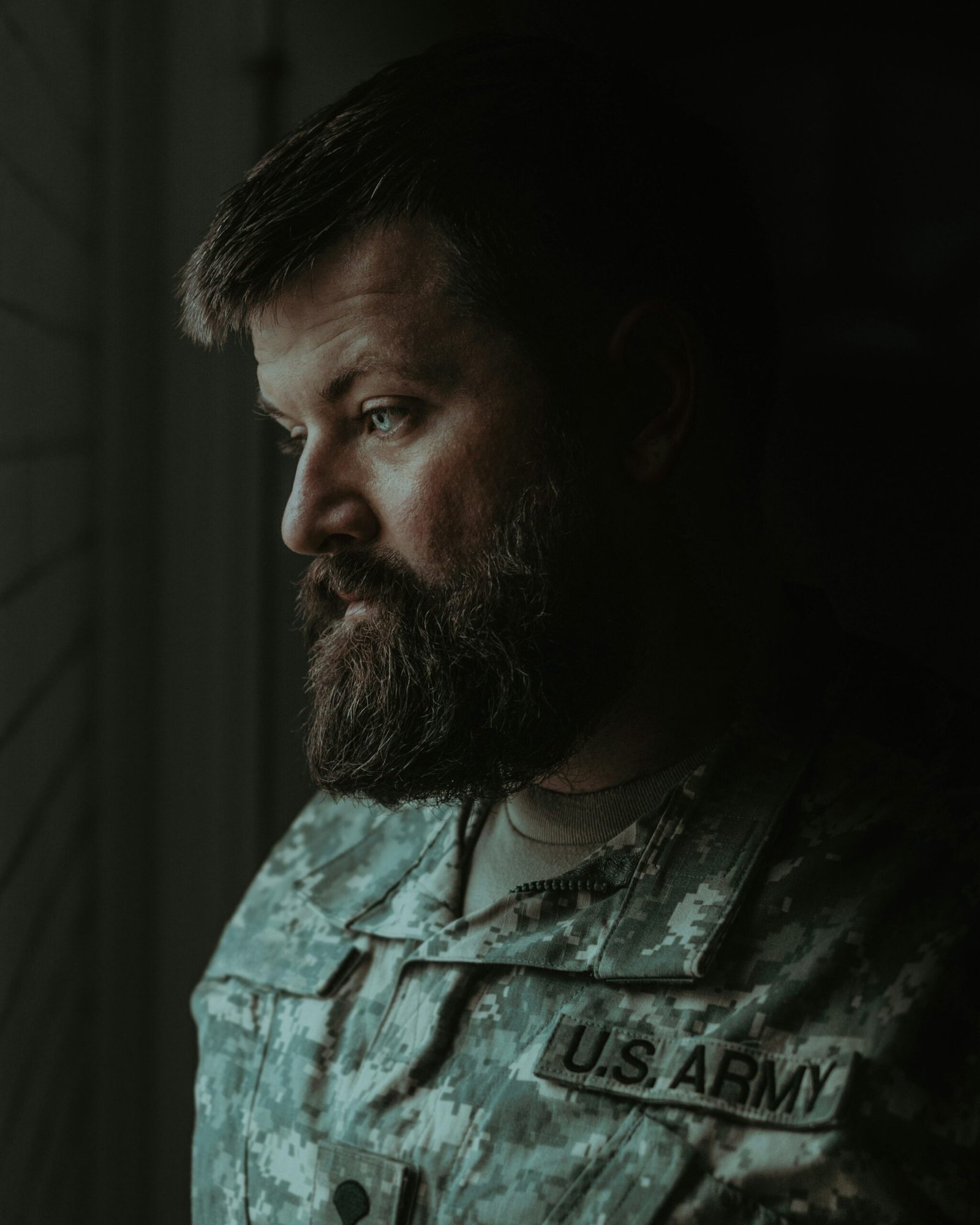
You may feel disconnected from civilians, uncertain about your direction, easily irritated, constantly alert, or unable to settle into a life that feels meaningful. Sleep, relationships, work, and family life may all be affected even when you are still functioning on the surface.
Private, straightforward counseling offers space to address what has changed, what continues to follow you, and what you want life to look like now. You do not need a PTSD diagnosis or a complete explanation before reaching out.
How counseling can help
A Place to Speak Without Explaining the Basics
Veterans are often expected to transition back into civilian life and move forward without much room to discuss what was lost, what changed, or what continues to affect them. You may appear capable and functional while privately carrying stress, grief, anger, guilt, or disconnection.
It can be difficult to talk with people who have not shared similar experiences. You may not want to burden your family, repeat details that feel impossible to explain, or risk being misunderstood.
Cognitive Edge offers a private setting where you can speak directly about what is affecting you without needing to defend your reactions or prove that your concerns are serious enough.
You can begin with what you are ready to address and move at a pace that respects your experience.
Support for Trauma, Transition, and Identity
Military service can shape how you think, respond, connect, and understand your role in the world. After separation, the loss of structure, mission, unit identity, and shared purpose can leave you feeling unanchored.
At the same time, hypervigilance, emotional control, rapid decision-making, and self-reliance may continue long after they are needed. These patterns may affect sleep, relationships, work, trust, and your ability to feel at ease.
Counseling can focus on trauma, moral injury, grief, anger, isolation, transition, identity, and the challenge of building a meaningful life outside the military.
The goal is not to erase the parts of you shaped by service. It is to help you decide what still serves you, what needs to change, and what you want to carry forward.
Practical Support for the Life You Are Building Now
Counseling can help you move beyond simply managing symptoms and begin clarifying what you want from your life now. The work starts with the concerns that are most immediate and connects them to practical goals.
You may want to sleep better, feel less reactive, reconnect with family, adjust to civilian work, restore a sense of purpose, or feel more in control of your responses.
The process is collaborative and focused on useful insight, realistic strategies, and changes that fit your responsibilities.
The aim is to help you build a life that respects your service without allowing the hardest parts of it to define every part of your future.
Common areas of focus
Where counseling often starts
Trauma and moral injury
Process distressing calls or cases, difficult outcomes, grief, ethical conflict, and experiences that continue to follow you home.
PTSD and trauma counselingRelationships and identity
Reconnect with family, strengthen personal boundaries, and rediscover who you are beyond your professional role.
Relationship and family strainStress and performance
Develop practical ways to manage anxiety, high-stakes decisions, workplace conflict, and persistent pressure.
Chronic occupational stressStart a conversation