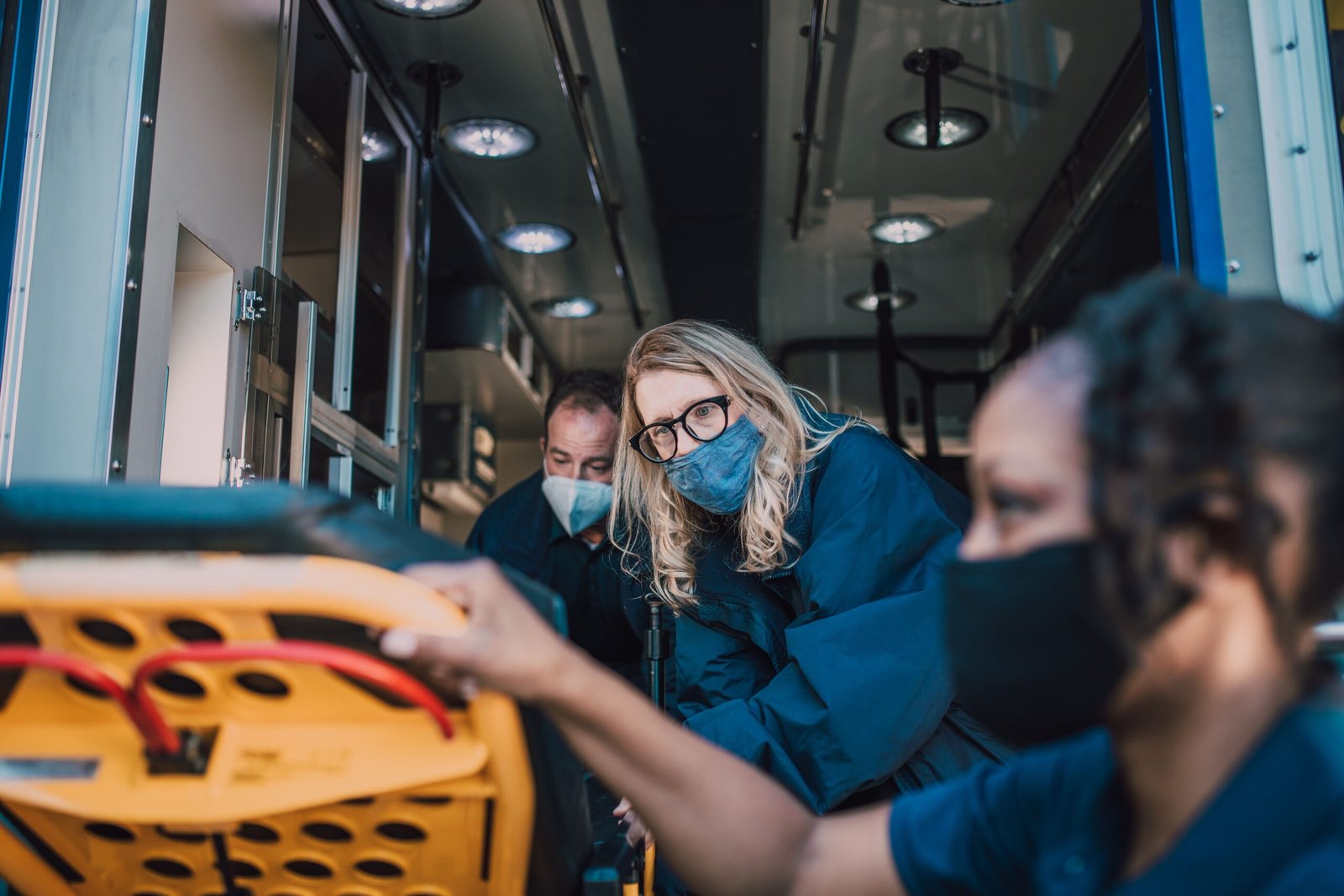
Even when a call ends, the effects may not. Difficult scenes can replay in your mind, sleep may become lighter or more disrupted, and your patience may feel shorter at home. You may also become emotionally distant, stay constantly prepared for the next emergency, or feel unable to explain the weight of the work to people outside the field.
How counseling can help
A Place to Set Down What the Work Requires You to Carry
Firefighters and EMS professionals are often expected to stay calm, capable, and ready regardless of what happened on the last call. You may move quickly from crisis to crisis without much time to process what you witnessed, what you felt, or how the experience affected you.
That culture of readiness can make it difficult to speak openly. You may worry that others will not understand, that you should be able to handle it, or that talking about the impact will change how people see you. As a result, distress may remain unspoken even when it begins affecting your sleep, mood, concentration, relationships, or ability to recover between shifts.
Cognitive Edge offers a private setting where you can speak honestly without minimizing your experience or protecting a professional image. You do not need to arrive with the right words or explain everything at once.
The work can begin with what feels most immediate and move at a pace that allows you to stay engaged without feeling pushed.
Support That Recognizes Repeated Exposure to Crisis
Fire and EMS work can involve severe injury, death, suicide, violence, pediatric emergencies, grief, medical uncertainty, and high-stakes decisions made with limited time and information. Some calls may stand out clearly. Others may accumulate until the overall weight becomes difficult to ignore.
You may replay scenes, avoid reminders, feel numb, become more irritable, or remain physically tense long after the emergency has ended. You may also struggle with guilt, second-guessing, grief, or the belief that you should have done more, even when the outcome was outside your control.
Counseling can focus on trauma exposure, moral distress, burnout, sleep disruption, anxiety, anger, emotional withdrawal, and relationship strain.
The goal is not to make you less prepared for the work. It is to help you recognize when the demands of the job are continuing after the shift and develop more control over how they affect the rest of your life.
Practical Support for Recovery Between Calls and Shifts
Counseling should connect with the realities of your schedule, responsibilities, and work culture. The process begins by identifying what has changed, what feels hardest to manage, and what you would like to improve.
You may want to sleep more consistently, feel less reactive at home, stop replaying certain calls, communicate more clearly with the people closest to you, or regain a stronger sense of balance outside of work.
The work is collaborative and grounded in practical next steps. You can discuss what is useful, what does not fit, and what pace feels manageable.
The aim is to help you understand your reactions, strengthen your ability to recover, and build strategies that support both your professional role and your life beyond it.
Common areas of focus
Where counseling often starts
Trauma and moral injury
Process distressing calls or cases, difficult outcomes, grief, ethical conflict, and experiences that continue to follow you home.
PTSD and trauma counselingRelationships and identity
Reconnect with family, strengthen personal boundaries, and rediscover who you are beyond your professional role.
Relationship and family strainStress and performance
Develop practical ways to manage anxiety, high-stakes decisions, workplace conflict, and persistent pressure.
Chronic occupational stressStart a conversation