Firefighters & EMS
Firefighters & EMS
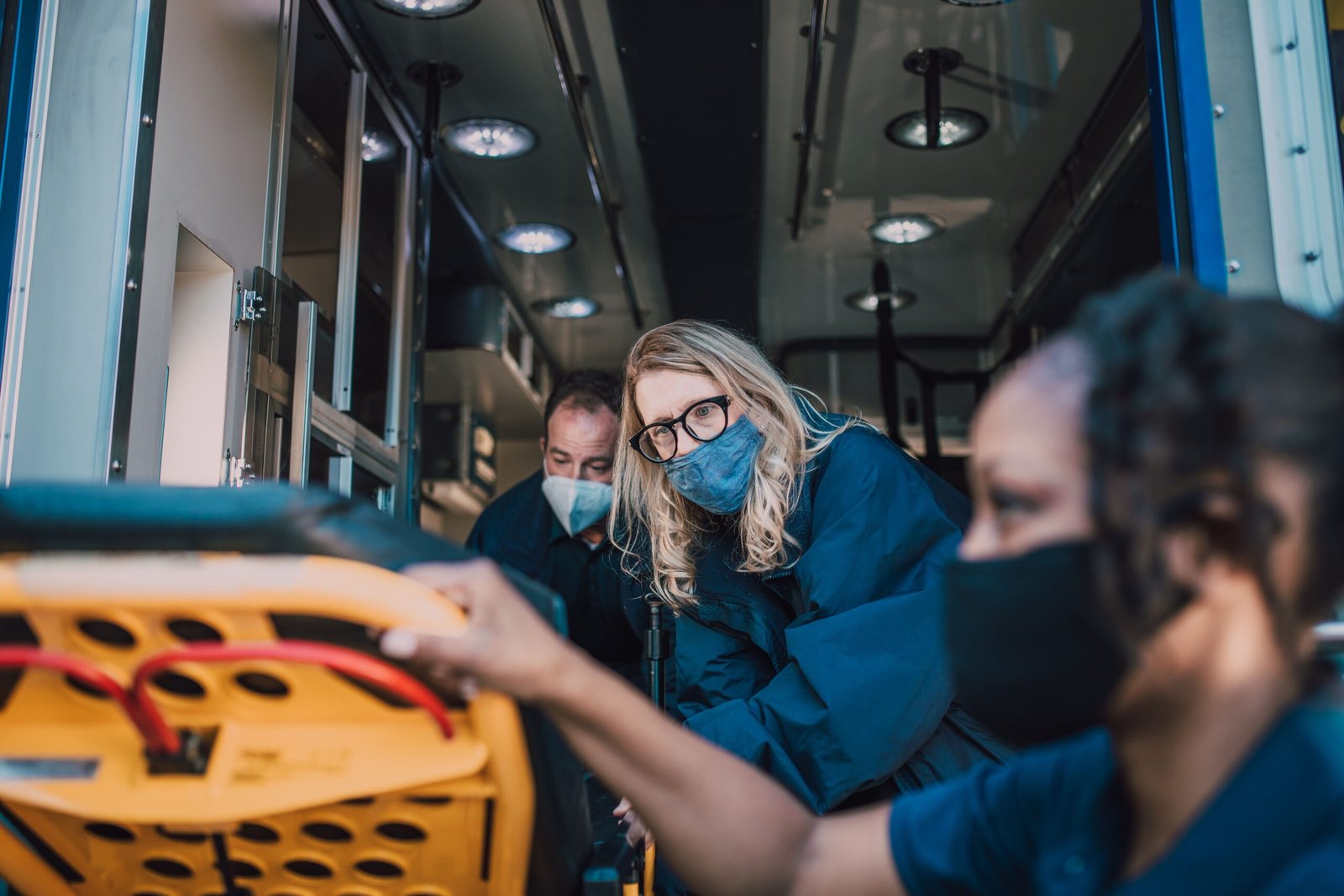
Fire and EMS work requires you to make rapid decisions, stay composed in chaotic environments, and move toward situations that most people instinctively avoid. You may witness serious injury, death, grief, violence, and loss while remaining responsible for the safety and care of others.
Even when a call ends, the effects may not. Difficult scenes can replay in your mind, sleep may become lighter or more disrupted, and your patience may feel shorter at home. You may also become emotionally distant, stay constantly prepared for the next emergency, or feel unable to explain the weight of the work to people outside the field.
Private, straightforward counseling offers space to address both the major incidents and the accumulated strain that builds over time. You do not need to wait for a crisis or have a diagnosis before reaching out. The process can begin with what you are noticing now and focus on practical ways to feel more settled, connected, and in control.
A Place to Set Down What the Work Requires You to Carry
Firefighters and EMS professionals are often expected to stay calm, capable, and ready regardless of what happened on the last call. You may move quickly from crisis to crisis without much time to process what you witnessed, what you felt, or how the experience affected you.
That culture of readiness can make it difficult to speak openly. You may worry that others will not understand, that you should be able to handle it, or that talking about the impact will change how people see you. As a result, distress may remain unspoken even when it begins affecting your sleep, mood, concentration, relationships, or ability to recover between shifts.
Cognitive Edge offers a private setting where you can speak honestly without minimizing your experience or protecting a professional image. You do not need to arrive with the right words or explain everything at once.
The work can begin with what feels most immediate and move at a pace that allows you to stay engaged without feeling pushed.
That culture of readiness can make it difficult to speak openly. You may worry that others will not understand, that you should be able to handle it, or that talking about the impact will change how people see you. As a result, distress may remain unspoken even when it begins affecting your sleep, mood, concentration, relationships, or ability to recover between shifts.
Cognitive Edge offers a private setting where you can speak honestly without minimizing your experience or protecting a professional image. You do not need to arrive with the right words or explain everything at once.
The work can begin with what feels most immediate and move at a pace that allows you to stay engaged without feeling pushed.
Support That Recognizes Repeated Exposure to Crisis
Fire and EMS work can involve severe injury, death, suicide, violence, pediatric emergencies, grief, medical uncertainty, and high-stakes decisions made with limited time and information. Some calls may stand out clearly. Others may accumulate until the overall weight becomes difficult to ignore.
You may replay scenes, avoid reminders, feel numb, become more irritable, or remain physically tense long after the emergency has ended. You may also struggle with guilt, second-guessing, grief, or the belief that you should have done more, even when the outcome was outside your control.
Counseling can focus on trauma exposure, moral distress, burnout, sleep disruption, anxiety, anger, emotional withdrawal, and relationship strain.
The goal is not to make you less prepared for the work. It is to help you recognize when the demands of the job are continuing after the shift and develop more control over how they affect the rest of your life.
You may replay scenes, avoid reminders, feel numb, become more irritable, or remain physically tense long after the emergency has ended. You may also struggle with guilt, second-guessing, grief, or the belief that you should have done more, even when the outcome was outside your control.
Counseling can focus on trauma exposure, moral distress, burnout, sleep disruption, anxiety, anger, emotional withdrawal, and relationship strain.
The goal is not to make you less prepared for the work. It is to help you recognize when the demands of the job are continuing after the shift and develop more control over how they affect the rest of your life.
Practical Support for Recovery Between Calls and Shifts
Counseling should connect with the realities of your schedule, responsibilities, and work culture. The process begins by identifying what has changed, what feels hardest to manage, and what you would like to improve.
You may want to sleep more consistently, feel less reactive at home, stop replaying certain calls, communicate more clearly with the people closest to you, or regain a stronger sense of balance outside of work.
The work is collaborative and grounded in practical next steps. You can discuss what is useful, what does not fit, and what pace feels manageable.
The aim is to help you understand your reactions, strengthen your ability to recover, and build strategies that support both your professional role and your life beyond it.
You may want to sleep more consistently, feel less reactive at home, stop replaying certain calls, communicate more clearly with the people closest to you, or regain a stronger sense of balance outside of work.
The work is collaborative and grounded in practical next steps. You can discuss what is useful, what does not fit, and what pace feels manageable.
The aim is to help you understand your reactions, strengthen your ability to recover, and build strategies that support both your professional role and your life beyond it.
Start a conversation
You do not need to have everything figured out before reaching out. Share a little about what you are experiencing, and we will help you understand the next step.
Please do not include urgent, sensitive, or highly personal medical information in this form.
This form is not monitored for emergencies.
Schedule a Confidential Consultation
You Care for Others. You Deserve Support Too.
You do not have to wait until stress begins affecting your work, relationships, or health. Cognitive Edge provides confidential, straightforward counseling built around the realities of fire and EMS work.
No. You do not need a PTSD diagnosis, or any diagnosis at all, to benefit from therapy or psychiatric support. Many people reach out because they feel overwhelmed, disconnected, irritable, unable to sleep, or simply unlike themselves.
We work with veterans, active-duty service members, military families, first responders, healthcare professionals, and civilians experiencing trauma, stress, anxiety, depression, sleep difficulties, anger, or major life transitions.
Cognitive Edge Counseling primarily serves private-pay clients. Contact the practice to discuss current rates, payment options, and whether documentation can be provided for possible out-of-network reimbursement.
The first appointment is an opportunity to discuss what you have been experiencing, what you would like to improve, and whether the practice is the right fit for your needs. You will also have time to ask questions about treatment options and next steps.
Yes. Your privacy is taken seriously, and your information is handled in accordance with applicable professional and legal requirements. There are limited exceptions when disclosure may be legally required, which will be reviewed with you as part of the informed-consent process.